
Revive Your Electronics: A Deep Dive Into PCB Board Repair Services
In today’s tech-driven world, many devices—from smartphones and laptops to industrial machines and automotive systems—rely heavily on printed circuit boards (PCBs). These PCBs are the backbone of electronic devices, connecting components, managing power, and enabling complex functionality. When a PCB fails, it can render the entire device useless. That’s where PCB repair services step in: a cost-effective, environmentally friendly way to restore functionality without replacing the whole unit.
In this post, we explore what PCB repair is, common failure modes, how specialist services operate, benefits versus replacement, and tips to choose the right repair partner.
What Is PCB Repair?
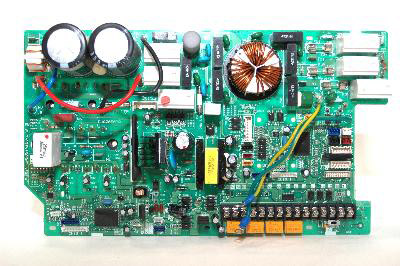
PCB repair (often called circuit board repair or rework) involves diagnosing, restoring, and replacing damaged or failed components on an existing circuit board. Unlike full board replacement, repair focuses on component-level fixes: re-soldering, replacing chips or capacitors, restoring broken traces, repairing vias, and more.
The process often includes:
- Fault diagnosis / testing to isolate the defective area
- Desoldering / removal of damaged or faulty components
- Trace repair or jumper wire rewiring for broken or severed copper lanes
- Component replacement / reballing / through-hole or surface mount work
- Post-repair testing & quality validation
Because PCBs can be multilayered and densely packed, repairs require precision tools, skilled technicians, and stringent quality standards.
In electronics parlance, repairing or modifying PCBs at the component level is often called rework. Wikipedia Specialized rework stations and techniques are needed, especially for fine-pitch or BGA (Ball Grid Array) components.
Why PCBs Fail: Common Issues
Here are some of the main failure causes encountered in real-world repair work:
- Physical damage & impact
Dropped devices or mechanical shocks can crack PCB substrates, break solder joints, or delaminate layers. - Thermal stress & overheating
Components that run hot can weaken solder joints, cause micro-cracks, or even burn traces over time. - Corrosion & moisture
Exposure to moisture, humidity, or chemical contaminants can corrode copper traces or attack solder joints. - Poor manufacturing / design defects
Weak design, inadequate trace widths, insufficient spacing, or poor soldering practices can reduce longevity. - Component-level failures
Individual parts—capacitors, regulators, ICs—may fail and take down the entire board. - Aging & fatigue
Over many thermal cycles, components and solder joints fatigue, resulting in broken connections. - Trace or via failures
Layers inside a PCB connect via copper vias or plated holes. Damage or cracks in these internal routes require delicate repair.
Because many PCBs are multilayered and highly compact, diagnosing and repairing faults demands advanced tools like microscopes, X-ray inspection, hot-air rework stations, and precise soldering equipment.
How a Professional PCB Repair Service Works
Let’s walk through the typical steps a good repair shop (such as AnyGadgetRepair or other specialized boards) would follow:
1. Intake & Diagnostic Assessment
When you send a device, the technician examines the board physically, inspects for visible burn marks, cracks, or blistering. They also power-test, measure voltages, check continuity, or perform functional tests. Sometimes nonfunctional parts are isolated using circuit schematics or reverse engineering.
2. Quotation & Approval
Once the fault(s) is identified, the repair shop provides a cost estimate and risk analysis (whether certain repairs may not succeed). Many services offer “no-fix, no-fee” or a fixed evaluation fee. This helps the customer decide if repair is worth it.
3. Component Removal / De-soldering
Using hot-air, infrared rework, or micro-soldering tools, the defective component is carefully removed. This is delicate work especially for surface-mount parts, BGA, QFN, or parts with many tiny pins.
4. Trace / Pad / Via Repair
If copper traces are severed or pads are damaged, the technician restores them using fine wires (jumper wires), conductive epoxy, or replacement pads. If through-holes or vias are damaged, they might drill new ones, re-plate, or install “via-in-pad” workarounds.
5. Component Replacement
A matching or equivalent component is selected (with correct ratings, footprint, and specifications). The new component is soldered in place, reflowed, and cooled under controlled conditions to prevent thermal stress.
6. Post-Repair Inspection & Testing
The repaired board undergoes functional testing, continuity checks, thermal cycling, and sometimes burn-in. For critical boards, inspection via X-ray, optical microscopy, or boundary-scan techniques ensures reliability.
7. Final Return & Warranty
Once fully validated, the board is sent back with any warranties or guarantees the shop offers (often 90 days to 1 year). Many repair houses back their work to instill confidence.
Why Choose Repair Over Replacement?
You might wonder: why go through repair instead of just replacing the board or the entire device? Here are some compelling reasons:
Cost Savings
Especially for high-end electronics or older industrial machines, replacement boards may cost hundreds, thousands, or even be unobtainable. Repairing a PCB often costs a fraction of replacement.
Faster Turnaround
Repair often takes days rather than waiting weeks for a new board to be manufactured or shipped globally.
Parts Obsolescence & Legacy Equipment
Many legacy or industrial parts are no longer in production. PCB repair lets you maintain systems that would otherwise be scrapped.
Environmental Sustainability
Repairing electronics reduces electronic waste (e-waste), conserves raw materials, and supports a more sustainable electronics ecosystem.
Avoiding Requalification Costs
In regulated industries (medical, aerospace, automotive), replacing a whole board might require re-certification. Repairing at component level may avoid that burden.
In practice, many repair shops prefer servicing industrial, medical, or specialized electronics rather than consumer items, because the margins and risk/reward balance are often more favorable.
Risks & Limitations
PCB repair is not a panacea; there are limits and risks. Some boards are simply too damaged to restore reliably. Some parts may be potted, sealed, or inaccessible. Others may suffer from internal layer damage beyond repair.
Also, repair requires deep skill and expensive tools. Without experience and proper technique, one small mistake—excessive heat, flux residue, misalignment—can make the damage worse.
In some cases, the repair cost or turnaround may come close to replacement cost, especially for low-end consumer electronics. Some repair professionals on community forums comment:
“The only time it had been profitable for him was when someone brought in a $5,000 circuit board … small components you have to have really steady hands.” Reddit
Still, for many high-stakes, expensive, or legacy systems, repair is often the only viable option.
What to Look for in a PCB Repair Service
If you’re considering using a repair provider, here are key factors to evaluate:
- Experience & specialization
Look for a shop with experience in your type of board (consumer, industrial, medical, automotive). - Certifications & adherence to standards
Industry norms like IPC-7711/7721 (standards for PCB repair and rework) are important benchmarks. - Diagnostic & inspection capability
Shops should have microscopes, X-ray, thermal imaging, and test benches to validate their work. - Guarantee or warranty coverage
A decent warranty on the repair gives you confidence in their workmanship. - Transparent pricing / quotes
The provider should clearly explain risk, success probabilities, and cost breakdowns before undertaking work. - Turnaround time & logistics
How long will the repair take, and how is shipping handled (for remote customers)? - Confidentiality & intellectual property protection
For sensitive electronics, check whether repair houses offer NDAs or secure handling.
Example: AnyGadgetRepair’s PCB Repair Service (Inspiration)
Based on the information on the AnyGadgetRepair website, their PCB board repair service positions itself as a fast and affordable solution across many electronic devices. Any Gadget Repair They claim to handle all types of PCB boards, including SMD (surface-mount device) boards, offering diagnostics, component-level repairs, and rework.
This kind of offering is typical in consumer-electronics repair businesses: repairing smartphone mainboards, laptop motherboards, power supply boards, display driver boards, etc. They aim to extend the life of your electronic device economically and efficiently.
If you operate a repair business (or plan to), using such a versatile service model—with transparent pricing, fast diagnostics, and wide component access—can attract a broad customer base.
Future Trends & Automation in PCB Repair
The future of PCB repair is being shaped by automation, robotics, and intelligent diagnostics:
- Robotic desoldering / component removal: Recent research is focusing on automating the removal of components using robots that apply controlled force to lift parts from boards with nearly 100% success for larger parts.
- AI-based defect detection: Advances in machine learning (e.g. using convolutional autoencoders or GAN-enhanced YOLO models) enable automated defect detection in PCB assemblies (detecting missing traces, open circuits, burrs, etc.) with high accuracy.
- Better materials & self-healing substrates: In the long term, innovations in materials science (self-healing circuits, flexible electronics) may reduce some failure modes and simplify repair.
- Remote diagnostics & tele-repair assistance: With augmented reality and online diagnostics, remote experts might guide local technicians in complex repairs.
These trends suggest the repair industry will become more efficient, scalable, and accurate, especially in high-value applications.
Final Thoughts
PCB repair is a critical enabler for extending the life of electronics, reducing waste, and saving costs—especially for niche, legacy, or industrial systems. But it demands expertise, the right tools, and risk-awareness.
If you’re looking for a good repair partner:
- Insist on diagnostics and clear quotes before work
- Check their repair warranties
- Ask about inspection tools (microscopy, X-ray)
- Ensure they have experience with your board type
- Evaluate order turnaround and shipping logistics
And if you run a repair business, investing in automation, AI diagnostics, and high-quality rework infrastructure can help differentiate you in this specialized industry.
About The Author
